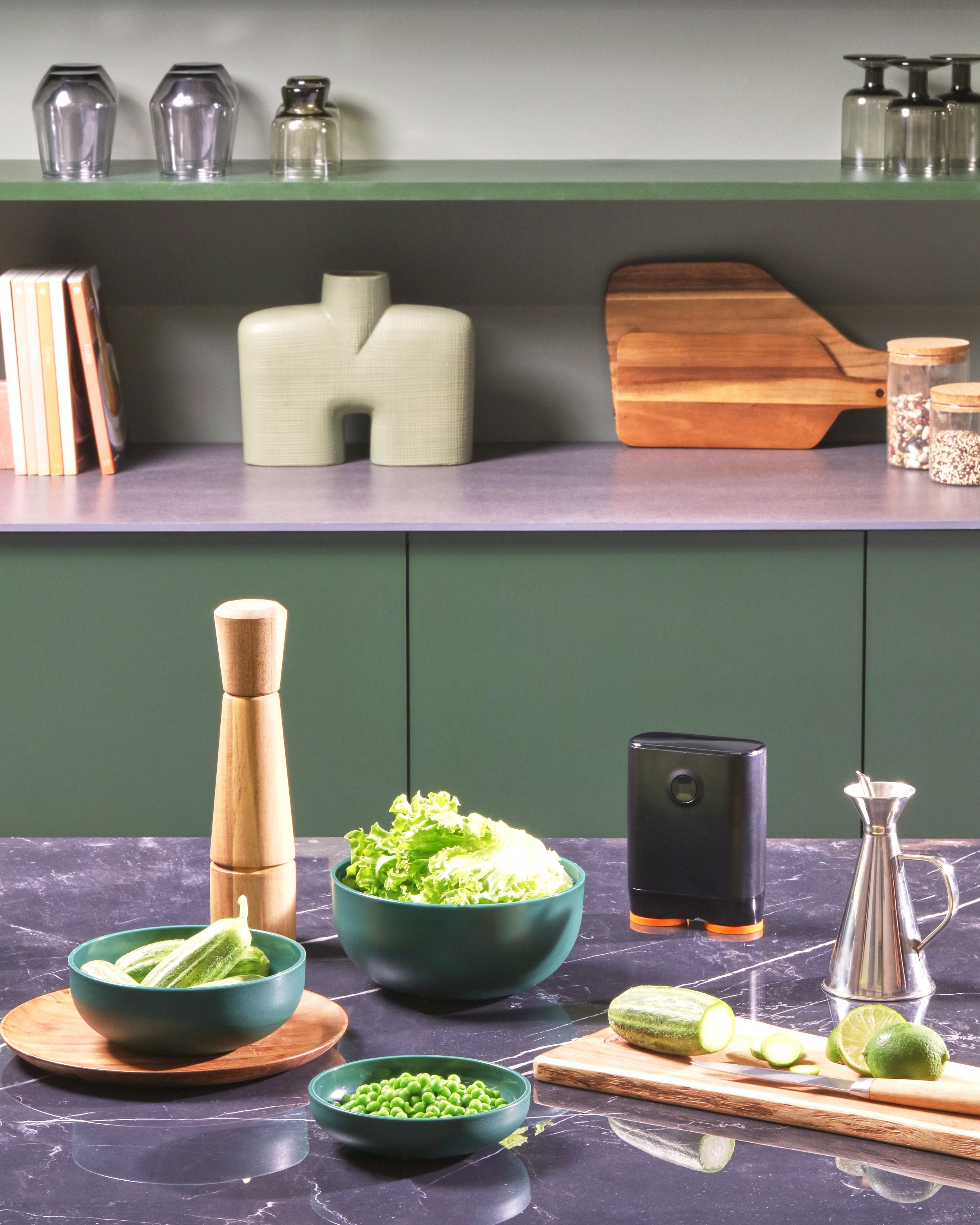
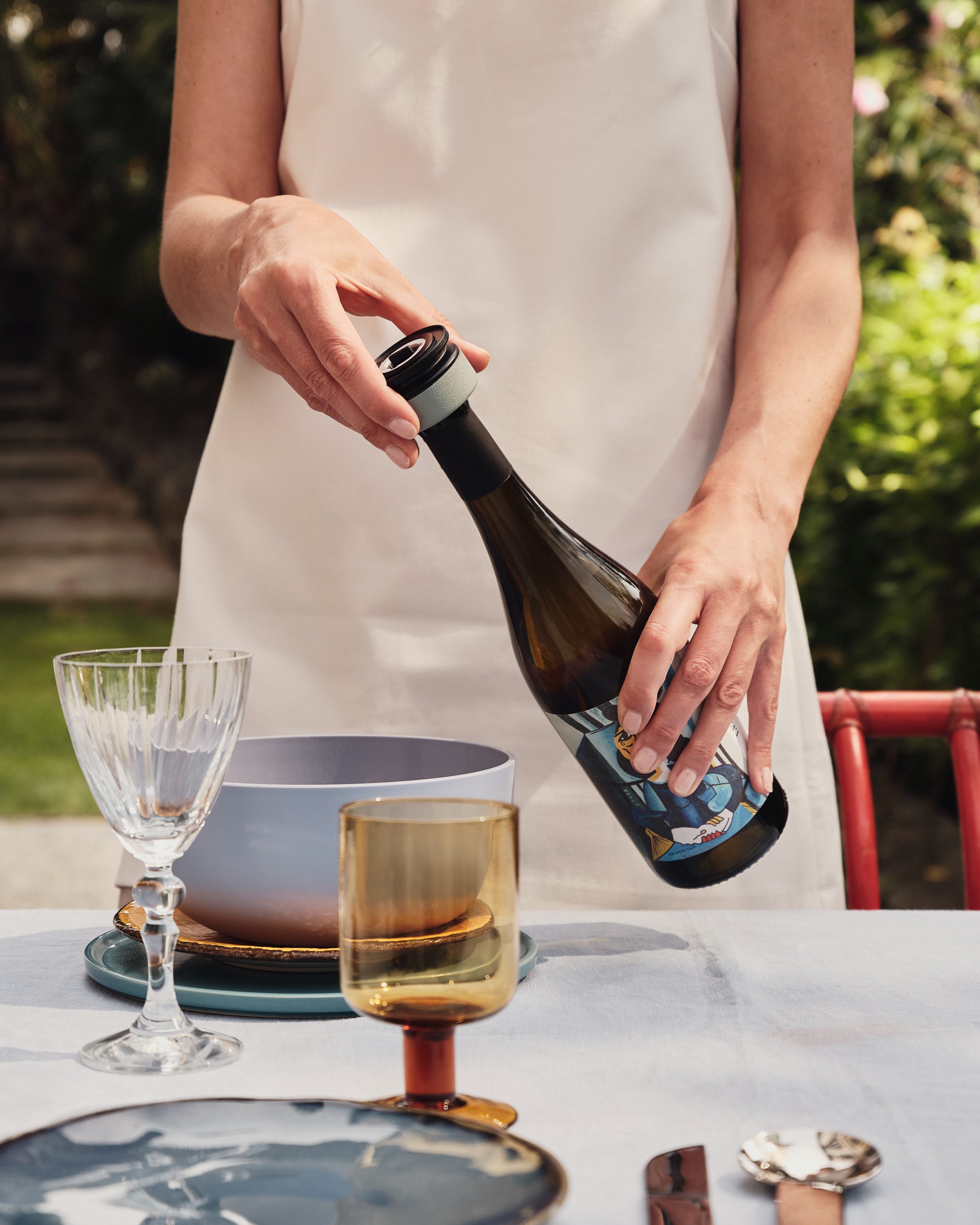
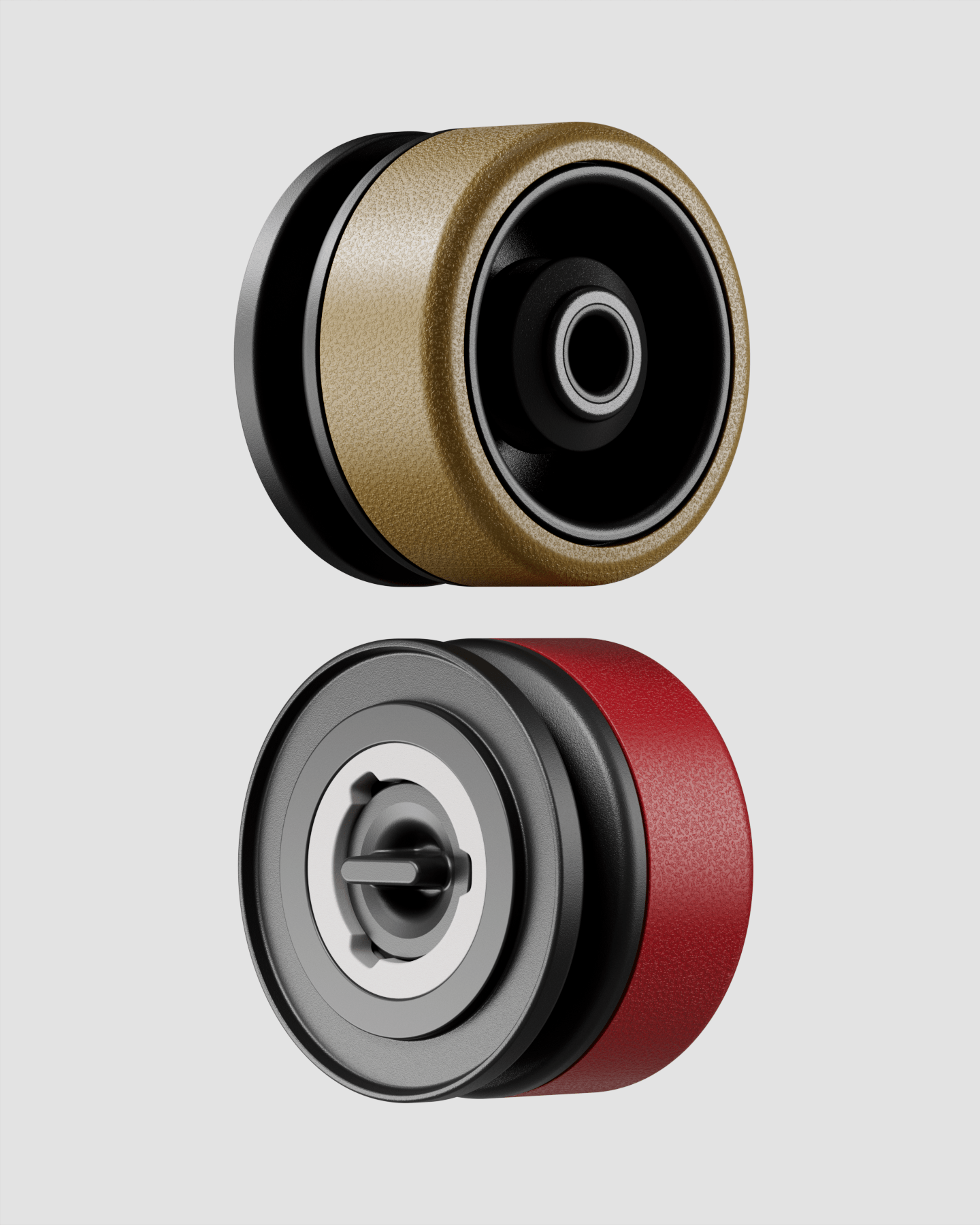
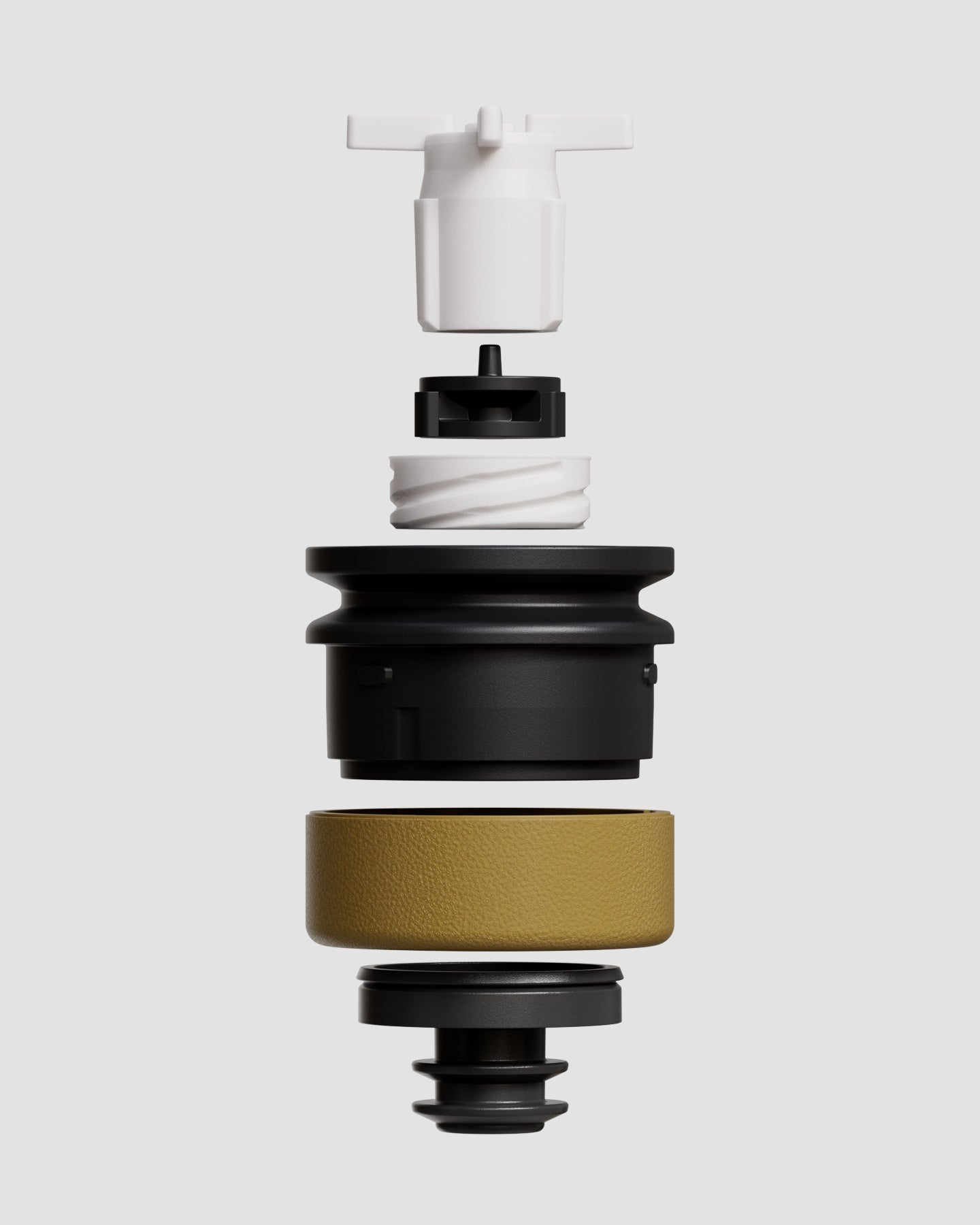



reduction of oxidation: oxygen in the air is one of the main causes of food deterioration, as it causes the oxidation of fats and vitamins, leading to loss of freshness and flavor. vacuum sealing reduces the available oxygen, significantly slowing down this process.
inhibition of microbial growth: many bacteria and molds need oxygen to grow. by reducing the amount of oxygen, vacuum sealing can slow down the proliferation of pathogenic and spoilage microorganisms.
preservation of flavors and nutrients: reducing oxidation helps maintain the original flavors and nutrients of food, such as vitamins and minerals.
protection from moisture and external contaminants: By sealing food, it prevents the absorption of moisture or exposure to external contaminants, which can compromise food quality.
stock management: storing food under vacuum allows you to buy and store without worrying about rapid spoilage, reducing waste and optimizing resource use.
freezing without freezer burn: by vacuum sealing food before freezing, it prevents the formation of ice crystals on the surface of the food, avoiding freezer burn that can compromise quality.
quick marinades: the action of the vacuum drastically reduces marinating times, allowing liquids and flavors to penetrate food tissues.
controlled osmosis: by reducing the pressure in the container, it is possible to accelerate and enhance the osmotic process. air can interfere with the process by forming bubbles on the membrane. thanks to the vacuum, the presence of these bubbles is reduced, improving control and efficiency.
room temperature infusions: reducing the pressure facilitates the release of aromatic and bioactive compounds from botanical ingredients, accelerating the infusion process. this minimizes oxidation and the loss of volatile aromas, preserving the aromatic profile of the ingredients and allowing high-quality infusions to be obtained without heating the liquid, which is particularly useful for heat-sensitive ingredients.